
We are HIRING! - No longer accepting applications
As a result of the anticipated staffing changes at EFCC as of 1st January 2025, we are hiring a Product Stewardship & Sustainability Manager to maintain and strengthen EFCC’s position as a highly valued and respected partner in sustainability, circularity, and product stewardship in Brussels.
EFCC joined the signatories to the Antwerp Declaration
EFCC has joined the signatories to the Antwerp Declaration for a European Industrial Deal, launched in February 2024. The Antwerp Declaration calls for a ‘comprehensive action plan to elevate competitiveness as strategic priority and create the conditions for a stronger business case in Europe’. It is requested to be the first big policy initiative of the new European Commission which would complement and reinforce the European Green Deal and create clarity, predictability, and establish a targeted industrial policy.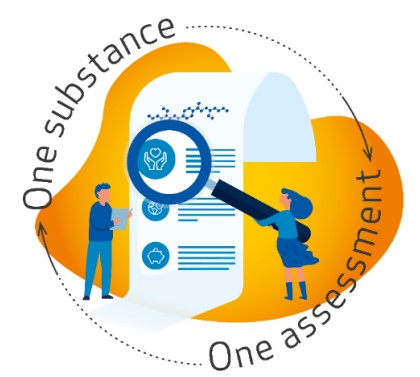
Position on the proposal for a Regulation on a common data platform on chemicals
EFCC together with DUCC members expressed its support for the main objective of the OSOA approach presented under the Chemicals Strategy for Sustainability (CSS) to improve the efficiency, effectiveness, coherence, and transparency of issuing safety assessments of chemicals across different pieces of EU legislation. EFCC also welcomes the legislative proposal regarding the establishment of a Common Data Platform on Chemicals (CDPC) and takes the opportunity to express its concerns regarding the scope and definitions, study notifications, as well as confidentiality and data management in response to the EC public consultation.
Level(s): the European framework for sustainable buildings & EU taxonomy
If you would like to learn more about how the indicators of the EU initiative 'Level(s): the European framework for sustainable buildings' can help you align with the EU Taxonomy, and how changes to EU legislation affect reporting requirements in the building sector, you can watch the recorded webinar below. Level(s) is applied at building design level but product information and product design also have to be addressed.
New Approach to Streamlining EPD Generation Sets a New Standard in Sustainable Construction
Environmental Product Declarations (EPDs) are of critical importance as they play a central role in meeting the increasing demand for transparency and sustainability in the construction industry. Sika has recognized the significant benefits of Environmental Product Declarations (EPDs) and is pursuing a comprehensive approach that includes both the broad implementation of model EPDs for various product technologies in Europe and a global focus on streamlining the specific EPD creation process.
The role of innovation in shaping the future of the construction industry
Interview with Eric Dehasque, President of the European Federation for Construction Chemicals (EFCC) 2024 will be an exciting new year with the European elections ahead. EFCC expects that the new European decision makers will put more emphasis on safeguarding the competitiveness of the European industry and ensure incentives for innovation. We asked Mr. Eric Dehasque, President of EFCC, on the role of innovation in the construction industry and its impact on sustainability and performance.
Eurostat monthly data for production in construction (October 2023)
Production in construction is down by 1.0% in the euro area and by 0.6% in the EU. Down by 0.7% in the euro area and by 0.4% in the EU compared with October 2022.
EFCC position on the European positive list under the Drinking Water Directive
Today EFCC submitted its position in reply to the public consultation on the delegated act that supplements the Drinking Water Directive and that lays down the procedure for amending the European positive list of starting substances, compositions or constituents to be used in the manufacture of materials or products intended to be in contact with drinking water. EFCC is concerned that the increased data collection and analytical requirements planned to be required for the positive listing will put a significant burden of the manufactures and downstream users. In addition to this, EFCC considers that neither the DWD nor this implementing act provide sufficient protection for the shared data and confidential business information and as such is not protecting the intellectual property of the European economic operators. As downstream user formulators we fear that the number of applicants for the positive listing will be very limited resulting in a lack of substances available for drinking water materials after 2025. This would lead to a significant reduction of construction products available for drinking water installations which could put the distribution of the drinking water to European consumers via the pipe systems at risk.